
Inaccurate time tracking costs Irish businesses more than they realise, from payroll errors and WRC exposure to missed billing. This guide covers what the Organisation of Working Time Act 1997 requires and how the right system pays for itself Read more

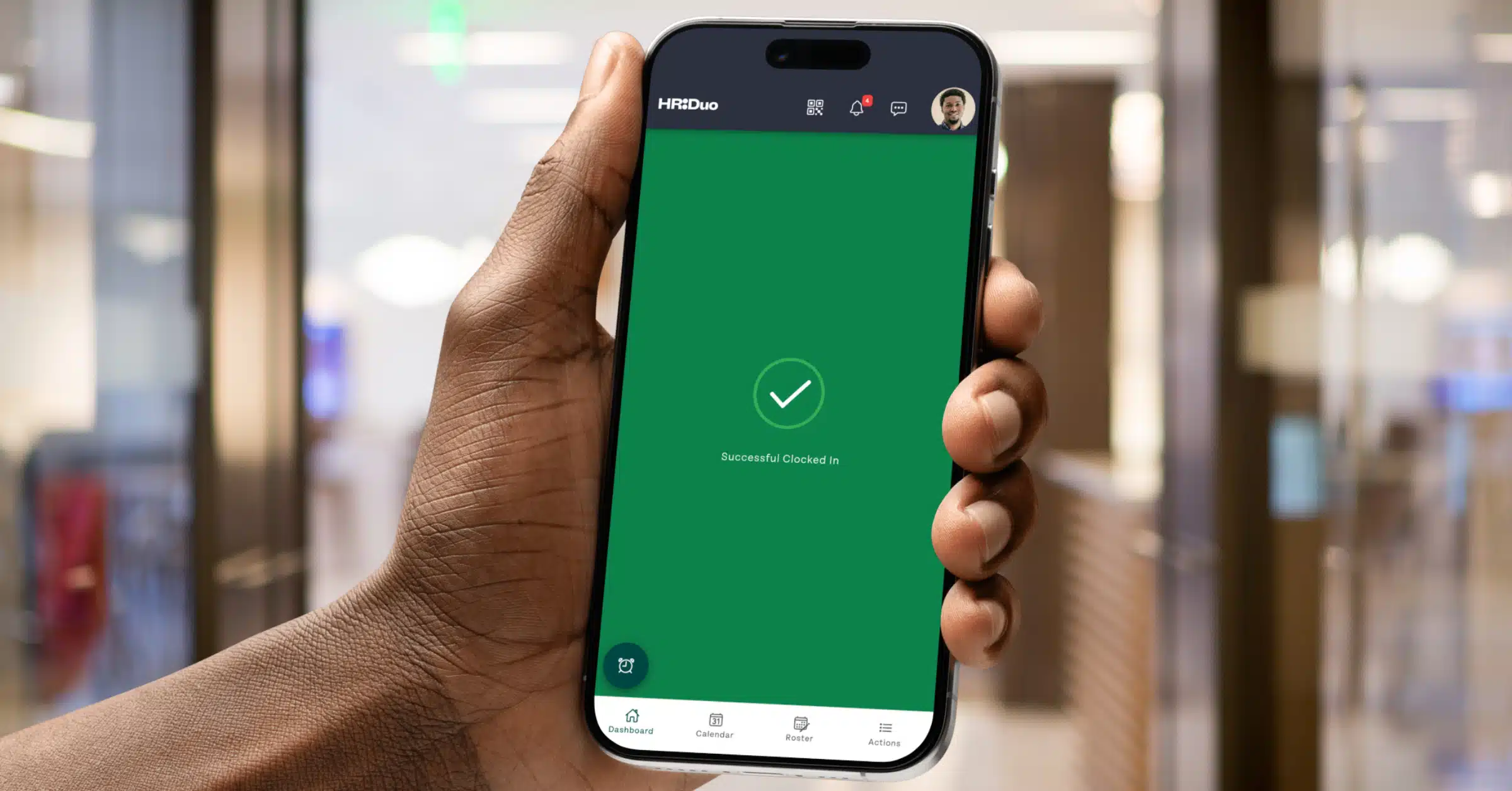
Time is one of the most valuable resources for any business. Whether you’re managing a remote team, overseeing a corporate workforce, or running a small business in Ireland, keeping track of work hours accurately matters. Time tracking is more than just logging hours. It helps businesses optimise productivity, control costs, and improve employee satisfaction. However, many organisations struggle with inefficient or inaccurate tracking methods, leading to payroll errors, lost revenue, and decreased efficiency.
In this article, we explore the importance of accurate time tracking, its benefits for Irish employers, and how businesses can implement effective tracking methods to enhance overall performance.
Time tracking refers to the process of recording work hours for employees, projects, and tasks. Businesses use it to ensure accurate payroll processing, track billable hours, and analyse productivity. For Irish employers, it is also a legal obligation under the Organisation of Working Time Act 1997, which requires employers to maintain records of employees’ working hours, rest periods, and leave entitlements.
There are two primary ways businesses track time:
Time tracking benefits various industries, including:
Explore HR Duo’s industry solutions here: Manufacturing, Construction, Retail, Hospitality, and Healthcare
Beyond its obvious uses, accurate time tracking has hidden advantages that significantly impact business growth.
Businesses often struggle to differentiate between billable and non-billable hours. Without an accurate system, many billable hours go unrecorded, leading to revenue loss. Time-tracking software ensures that every hour spent on client projects is accounted for, leading to increased earnings.
Tracking time helps businesses pinpoint areas where employees are spending too much or too little time. This insight allows managers to:
A well-implemented employee time tracking system prevents payroll errors, ensuring that employees are paid accurately for their work. It also reduces unnecessary overtime expenses by monitoring work hours effectively. For Irish SMEs, where the national minimum wage and overtime obligations must be carefully managed, accurate records are non-negotiable.
Businesses that analyse tracking data can make informed decisions regarding:
Many companies have scaled faster by using time analytics to improve project efficiency and profitability.
Tracking time isn’t just about measuring productivity. It also prevents burnout. By monitoring work hours, businesses can:
Many businesses fail to realise the financial and operational setbacks caused by poor time tracking. The consequences extend beyond simple miscalculations of work hours and affect payroll, productivity, compliance, and employee morale. Below are some of the most significant costs associated with inaccurate time tracking.
Payroll inaccuracies can lead to overpayment or underpayment of employees, which not only affects company finances but can also create serious HR issues. Without efficient time tracking software, businesses may unknowingly pay for unworked hours or fail to compensate overtime correctly. Even small errors in tracking data can accumulate over time, costing businesses thousands annually.
When businesses fail to track time accurately, it becomes difficult to measure employee efficiency. Missed deadlines, uncompleted tasks, and inefficient workflows can stem from poor time allocation. Time spent on non-essential activities can go unnoticed, leading to decreased overall productivity. By implementing an effective time-tracking tool, businesses can identify bottlenecks and optimise resource allocation.
Under Irish employment law, employers are legally required to maintain accurate records of employee work hours. The Organisation of Working Time Act 1997 mandates that employers keep records for at least three years. Failure to comply can result in complaints to the Workplace Relations Commission (WRC), leading to inspections, fines, and compensation orders. A robust HR software solution with time tracking can help companies maintain accurate records and avoid legal repercussions. If you need guidance on staying compliant, our employment advice service can help.
Employees value fairness in the workplace. Inaccurate time tracking can lead to frustration, disputes over pay, and a lack of trust between staff and management. If employees feel their time spent is not being recorded correctly, it can lead to disengagement and higher turnover rates. Establishing a fair and transparent tracking tool helps foster a positive work environment and improves employee satisfaction. Understanding how management style impacts employee engagement is equally important when rolling out any new tracking system.
To mitigate the risks of inaccurate time tracking, businesses must adopt best practices that promote efficiency, transparency, and accountability. Below are actionable strategies to ensure long-term success in professional services, retail, and other industries.
Investing in the right workforce management tool is the first step toward accurate and efficient time management. When selecting a time tracking app, businesses should look for features such as:
Time tracking should not feel like surveillance. Instead, businesses must create a culture where employees understand the benefits of accurate time tracking data. This involves:
Micromanaging employees can create resentment and lower productivity. Instead of using time-tracking software to monitor every move, businesses should:
A time tracking tool should seamlessly integrate with other business systems, such as payroll, invoicing, and project management software. This ensures that recorded work hours directly impact payroll accuracy and budget tracking. Integrated systems also provide real-time insights for better decision-making and resource allocation. For a complete view of how these systems work together, explore our HR Essentials package.
Businesses must continuously analyse tracking data to identify areas for improvement. Regularly reviewing reports and feedback from employees ensures that time tracking remains effective without becoming burdensome. Companies should:
Accurate time-tracking data is not just a necessity but a strategic advantage for businesses aiming to enhance productivity, maintain compliance, and improve financial efficiency. Whether in professional services, retail, or project-based industries, a well-implemented time-tracking tool helps businesses avoid costly errors, boost employee morale, and streamline operations.
HR Duo, PurpleTree’s partner HR software platform, provides an all-in-one solution to simplify time tracking and workforce management. With features like automated scheduling, payroll reporting, and compliance monitoring, HR Duo helps Irish businesses enhance efficiency and eliminate manual errors. Its EmployPath features also ensure seamless employee lifecycle management from recruitment to performance reviews.
By investing in the right time tracking solution and following best practices, businesses can turn decision-making into a data-driven process that optimises performance and profitability. If you are unsure where to start, get in touch with PurpleTree to discuss the right approach for your business.
Our team of HR specialists advises Irish employers on exactly these issues every day. Get in touch for a confidential conversation.
Speak to Our Team
Register Now:
You will receive a confirmation email with a Zoom invitation in advance of the Breakfast Briefing.
